Most people know chips are salty. The more useful surprises are the foods that do not taste aggressively salty at all — the breakfast, lunch, or “healthy choice” that quietly contributes a lot before dinner arrives.
That does not mean you need to remove these foods from your life. Sodium is essential, and a single meal is not the story. This list is about knowing where to look so you can compare products, adjust a portion, or balance the rest of the day without turning food into a punishment.
1. Bread, bagels, and tortillas
They do not taste very salty, which is why bread can be easy to overlook. But it is eaten often: toast at breakfast, a sandwich at lunch, a roll with dinner. A moderate amount in one slice can become meaningful when several bread products appear in one day.
Keep it workable: compare brands at the shelf. If you usually eat two slices, use two slices when comparing the label. You do not need to give up bread; choosing a lower-sodium option when it tastes just as good is an easy default.
2. Breakfast cereal and packaged breakfast foods
Sweet cereals get attention for sugar, but some cereals, frozen breakfast sandwiches, pastries, and toaster items also contain more sodium than expected. The issue is usually not one bowl. It is the combination of a packaged breakfast, a salty lunch, and a ready-made dinner on the same day.
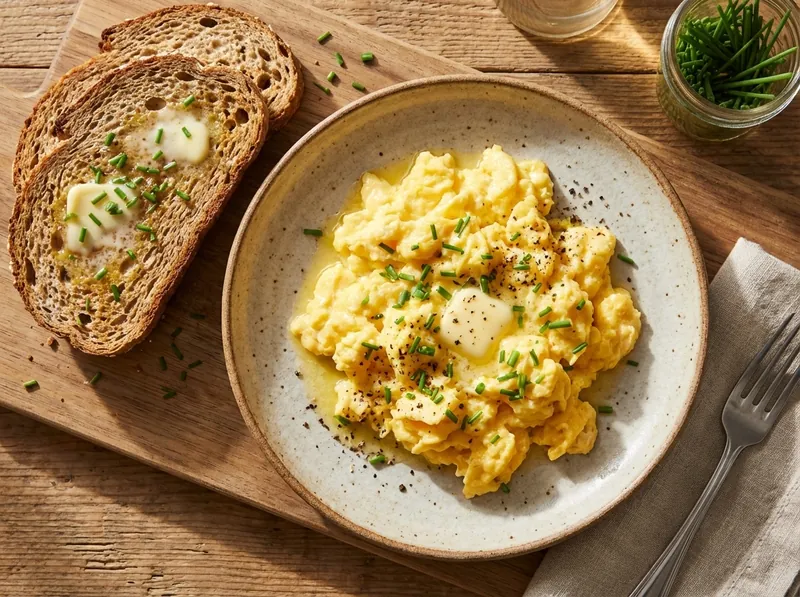
Keep it workable: alternate with oats, eggs, plain yogurt, fruit, or toast with a simple topping. If packaged breakfast is what makes your morning function, add fruit or yogurt rather than demanding a total overhaul.
3. Deli meat and prepared sandwich fillings
Deli turkey can feel like a lighter lunch choice, but cured and processed meats are commonly high in sodium. The same goes for prepared chicken salad, tuna salad, and many restaurant sandwich fillings.
Keep it workable: use a smaller amount of deli meat and add more vegetables, or rotate in leftover chicken, beans, eggs, tuna packed without added salt, or hummus. When buying deli meat, compare a few labels rather than assuming turkey is automatically low sodium. Our guide to where sodium can add up in a turkey sandwich shows how the familiar layers work together.
4. Soup and broth
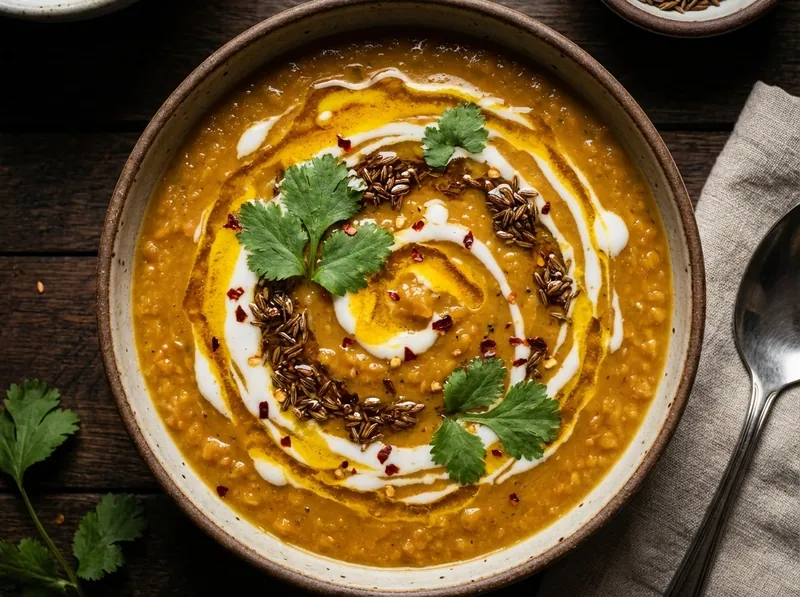
Soup can be vegetables, beans, protein, and comfort in one bowl. It can also be very concentrated in sodium, especially canned soup, restaurant soup, instant noodles, and broth-based dishes. The bowl size matters too: many packages list more than one serving.
Keep it workable: look for low-sodium or reduced-sodium broth and soup, add vegetables or beans to stretch a prepared soup, or pair a smaller bowl with a salad and something fresh. A soup habit does not have to disappear to become easier on sodium.
5. Sauces, dressings, and seasoning packets
Soy sauce, bottled dressings, pasta sauce, marinades, taco seasoning, gravy, and flavor packets can make a basic meal taste great — and can be where much of the sodium lives. Because they are added at the end, they are also one of the easiest things to adjust.
Keep it workable: use half, put it on the side, or add lemon, vinegar, garlic, pepper, herbs, chili, or ginger to make up the flavor. You may be surprised how much less sauce a meal needs when you taste before pouring.
6. Cottage cheese and some cheeses
Cottage cheese is often recommended as a convenient protein, but many versions contain a substantial amount of sodium. Cheese varies widely too, and it can appear several times in a day: breakfast, a sandwich, a snack, and dinner.
Keep it workable: compare brands, choose a portion you enjoy, and use cheese as one flavorful part of a meal instead of combining it with several other salty extras. Fruit, vegetables, or unsalted nuts can make the plate feel fuller without adding more sodium.
7. “Healthy” frozen meals and plant-based convenience foods
Plant-based does not automatically mean low sodium. Frozen bowls, veggie burgers, meat alternatives, and prepared grain bowls can be useful and nutritious in many ways, but their sauces, seasonings, and preservation can add up quickly.
Keep it workable: use them as a shortcut, then add a plain vegetable, fruit, or unsalted grain on the side. The goal is not to avoid convenience food; it is to make it one part of the meal rather than the whole pattern.
The question to ask at the store
Instead of asking, “Is this food healthy?” try: “Compared with the version I usually buy, is there an option I would enjoy with less sodium?” That question leads to better choices without requiring a rulebook.
For a deeper look at how sodium adds up across meals, read Why sodium gets harder to ignore after 40. And if you are trying to see the full picture, not just sodium, start with the four nutrition numbers we watch beyond calories.
MAKE THE PATTERN EASIER TO SEE
Know what your everyday meals add up to.
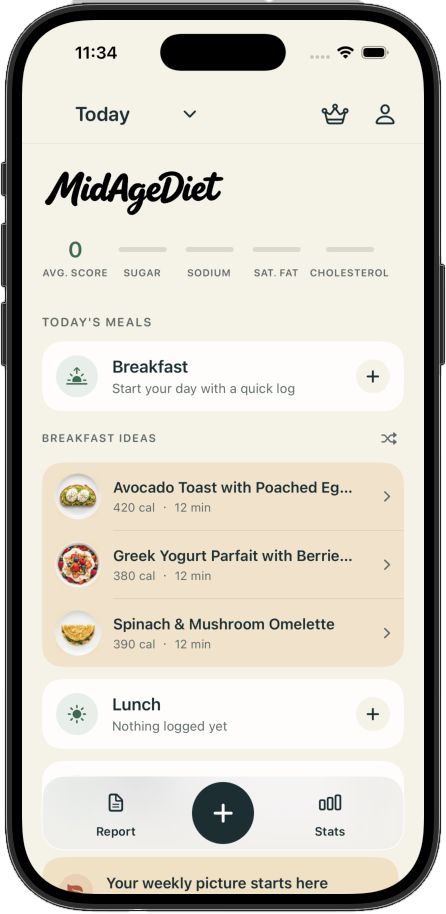
MidAgeDiet is being built for adults who want a clearer food picture without calorie obsession.
- Log meals by photo or simple text
- Track added sugar, sodium, saturated fat, and cholesterol
- Spot patterns over days and weeks
- Get practical meal ideas when you need them